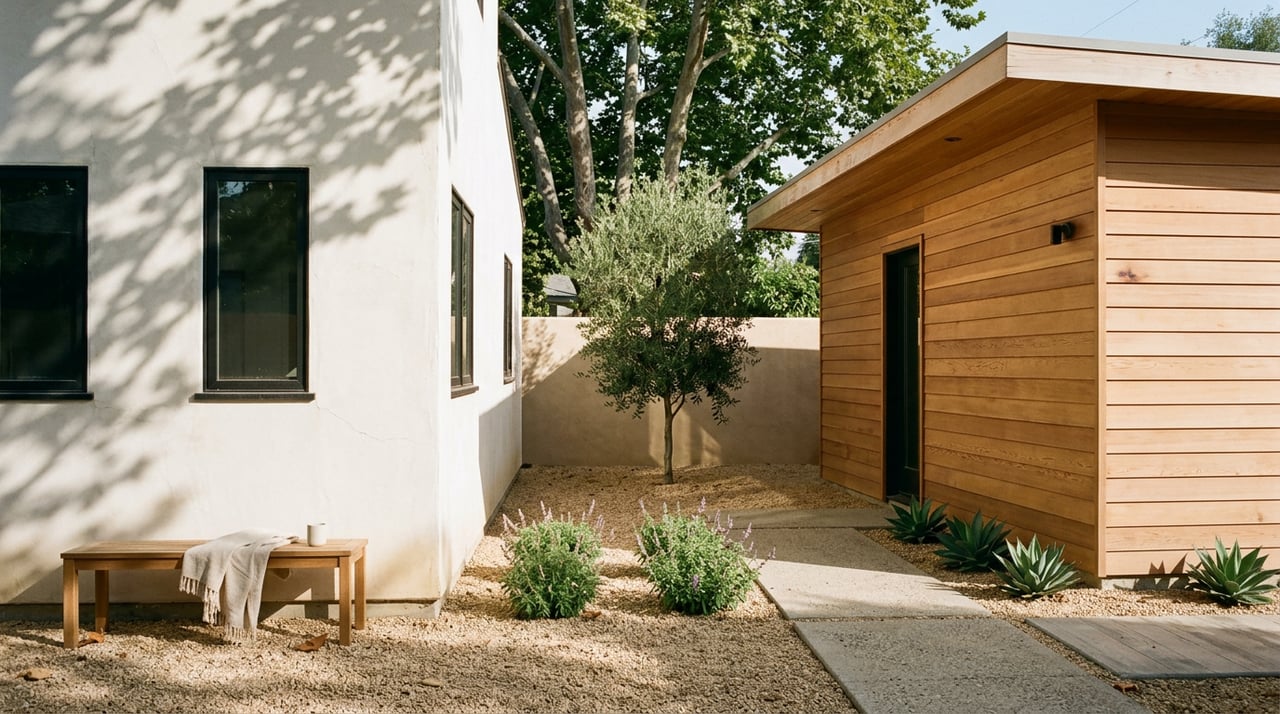
How To Evaluate An Older Los Angeles Home

Older Los Angeles homes can be full of soul, but charm should never be the first thing you evaluate. If you are touring a 1920s Spanish, a postwar bungalow, or a mid-century fixer, you need to look past the details that photograph well and focus on risk, repairs, and future costs. The good news is that with the right questions and a clear process, you can spot major issues early and make a smarter decision before you write an offer. Let’s dive in.
In Los Angeles, older homes deserve extra scrutiny because age often overlaps with seismic risk, outdated systems, and legacy materials. The California Seismic Safety Commission recommends that buyers have a certified home inspector, licensed building contractor, engineer, or architect evaluate earthquake risks and estimate strengthening costs before purchase.
That matters because what looks like a cosmetic project can actually be a structural one. A beautiful fireplace, original plaster, or vintage windows may be part of the home’s story, but they should come after you understand how the house is likely to perform in an earthquake and what it may take to improve it.
If the home was built before 1960, California also requires additional disclosure attention. Standard residential property insurance typically does not include earthquake coverage, so your monthly cost picture may be very different from what you first expect.
When you walk through an older Los Angeles home, try to shift your focus from finishes to fundamentals. The most useful question is simple: how is this house anchored, and how might it behave during an earthquake?
According to California’s earthquake safety guidance, key items to ask about or observe include:
Older concrete or stone foundations can also deteriorate over time. If a property is on a hillside, that adds another layer of complexity and often calls for specialized engineering review.
In Los Angeles, a weak first floor can be a serious issue in some older buildings. LADBS describes a soft-story building as one with a weaker first floor that may not carry the upper floors well during an earthquake.
This concern is usually more relevant to duplexes, triplexes, four-plexes, and other attached or multifamily layouts than to a typical detached single-family home. Still, if you are considering a small multifamily property or a house with unusual garage-level openings, it is worth asking whether any retrofit work has been required or completed.
Older homes often hide their biggest expenses behind walls, under floors, or in crawl spaces. The California Department of Real Estate advises buyers to check electrical, plumbing, and structural integrity, and to consider a qualified inspector for structural concerns.
At a showing, you may not get a full answer, but you can still look for signs that point to deeper issues. Cosmetic updates do not always mean the core systems were improved.
Keep an eye out for:
EPA guidance on mold is straightforward: moisture is the main driver. Leaks should be fixed quickly, and wet materials should be dried within 24 to 48 hours. If you notice stains, odors, or recurring dampness, that may point to deferred maintenance rather than a simple touch-up.
If the home was built before 1978, lead-based paint should be part of your evaluation. EPA says homes built before that year are much more likely to contain lead-based paint, including an estimated 87% of homes built before 1940 and 24% of homes built between 1960 and 1978.
Peeling or chipping paint is a major red flag, especially around windows, doors, trim, and exterior areas where friction can create dust. Buyers can assume lead paint may be present in older housing or hire a certified inspector or risk assessor to identify lead-based paint and current hazards.
Asbestos is different because you usually cannot identify it by sight. If a home has suspect materials that are damaged or may be disturbed during renovation, EPA recommends professional sampling or handling by a trained and accredited professional. If the material is undamaged and will not be disturbed, it is generally best left alone.
In Los Angeles, the site can be just as important as the structure. A home may look fine on the surface but sit in an area with fault rupture, liquefaction, landslide, flood, or fire-related concerns that affect both risk and cost.
The California Geological Survey explains that its EQ Zapp tool can help buyers screen whether a parcel is in an earthquake hazard zone, including fault rupture, liquefaction, and earthquake-induced landslide zones. It is a useful starting point, but the state also notes that it is not a substitute for a site-specific geologic or geotechnical investigation.
Hillside homes often come with special engineering questions. Support walls, drainage, soil movement, and slope conditions can all affect long-term ownership costs.
The Natural Hazard Disclosure Statement may also identify whether the property is in mapped flood, fire, earthquake fault, or seismic hazard zones. In many Los Angeles hillside and canyon areas, fire-related designations are part of the picture too, so it is smart to factor hazard disclosures into your decision early.
Some older Los Angeles homes sit within Historic Preservation Overlay Zones, or HPOZs. If they do, future exterior work may need additional review.
City Planning says exterior work in a local historic district, including landscaping, alterations, additions, new construction, and even some paint changes, is subject to added review. If you are buying with renovation plans in mind, verify the district boundary and the property’s contributing status in ZIMAS before assuming your project will be simple.
This step can save you time, money, and frustration. A house may be a great fit, but if your plans include major exterior changes, the approval timeline and design process may look very different than you expect.
A general home inspection is the baseline, not the finish line. Older Los Angeles homes often call for targeted follow-up depending on what the first inspection reveals.
It is smart to include an inspection contingency so the deal moves forward only if the property condition is acceptable to you. That gives you room to investigate the issues that matter most before you remove contingencies.
Depending on the home, your due diligence may include:
For lead-based paint, sellers of most pre-1978 housing must disclose known lead-based paint and hazards, provide available records, and give buyers a 10-day opportunity to conduct a lead inspection or risk assessment. CDPH says California buyers should especially test pre-1950 homes, homes with peeling paint, and properties where repainting or remodeling is planned.
Disclosures tell an important part of the story, but they work best when you compare them with inspections and public records. California DRE says sellers must disclose the physical condition of the property and readily observable defects, while the Natural Hazard Disclosure Statement covers mapped hazard zones.
In Los Angeles, LADBS online building records can provide permits, site plans, construction records, inspections, and code-enforcement documents. Reviewing those records can help you understand what work was actually permitted and whether visible upgrades match the paper trail.
Before you move forward, compare:
This is often where you find the difference between real improvements and surface-level fixes. A remodeled kitchen is nice, but permitted structural, electrical, or plumbing upgrades are often what matter more in an older home.
One of the biggest mistakes buyers make with older homes is budgeting only for the visible purchase. CFPB notes that homeowners are responsible for maintenance and repairs, from minor leaks to major expenses like roof replacement, and recommends building an emergency fund for unexpected costs.
That advice matters even more in Los Angeles, where seismic upgrades, drainage work, foundation repairs, or permit-related costs can add up fast. The California Seismic Safety Commission also notes that buyers can negotiate repairs or upgrades, and that repair costs after a damaging earthquake may far exceed the cost of strengthening a home beforehand.
Your real budget may need to include:
Standard residential property insurance typically does not include earthquake coverage. Ask about insurance options early so you understand the full carrying cost before you commit.
An older Los Angeles home does not have to be perfect to be worth buying. What matters is understanding the risks clearly enough to decide whether the price, condition, and future costs still make sense for you.
Inspection findings, disclosure details, and permit history can all shape your strategy. Depending on what comes up, you may decide to negotiate repairs, request credits, ask for more time to investigate, or walk away if the scope feels too large.
The right older home can absolutely be worth it. But the best decisions happen when you treat charm as a bonus, not a substitute for sound due diligence.
If you are weighing an older home in Los Angeles, having local guidance can make the process feel a lot more grounded. The team at Backbeat Homes - Clarkliving Team can help you look past the staging, ask sharper questions, and evaluate the full picture before you move forward.
Stay up to date on the latest real estate trends.