South Pasadena's Historic Tax Break Favors Whoever's Buying Right Now
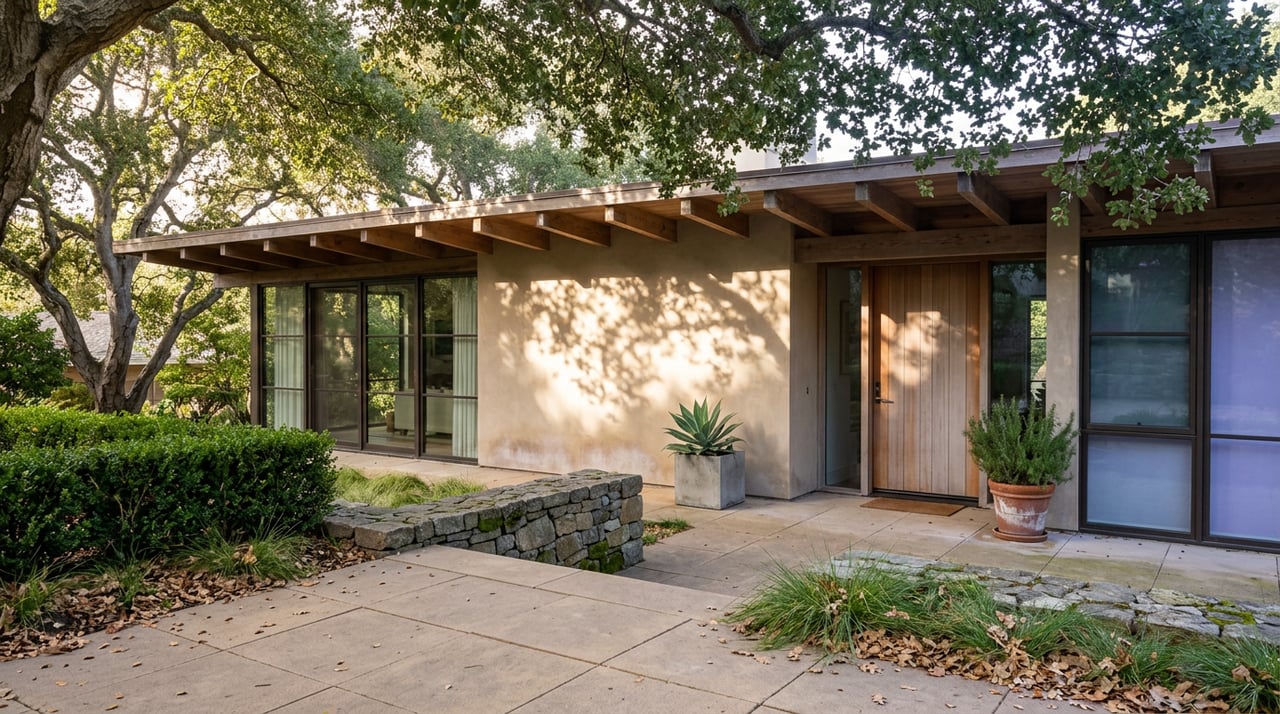
An agent walks a buyer through a Craftsman on one of South Pasadena's landmark streets and mentions, almost in passing, that the house already carries a Mills Act contract. It sounds like a coupon stapled to the deed: sign here, save on property taxes, done. What the pitch usually skips is that the contract does not belong to the buyer any more than it belonged to the seller. It is recorded on title, it runs for a minimum ten years and renews automatically each year unless someone files to stop it, and the tax benefit it produces depends entirely on a number that was already fixed the moment the seller bought the house.
That detail changes the math for anyone shopping in one of South Pasadena's five historic districts or among its more than fifty designated local landmarks. The Mills Act is real, and South Pasadena has offered it since becoming a Certified Local Government in 2001. But the version of the incentive an agent describes in a listing conversation is not always the version a specific buyer will actually receive.
A Mills Act contract is a deal between a property owner and the city: maintain and restore the historic property to the Secretary of the Interior's standards, and the county assessor calculates your property taxes using an alternate valuation method instead of straight market value. South Pasadena's Cultural Heritage Ordinance limits who can enter that deal in the first place. Eligibility runs to designated landmarks, contributing properties inside the city's historic districts, and properties already listed on the National or California Register, plus anything the Cultural Heritage Commission specifically identifies as appropriate.
If a contract already exists on the house you're buying, it transfers with the sale. You inherit the maintenance obligations, the periodic inspections, and the requirement to keep restoration work aligned with the standards that got the property into the program in the first place. You also inherit the state's cancellation penalty: if a city ever finds a breach, the standard fee is 12.5 percent of the property's current assessed value, which is not a number anyone wants to discover after closing.
None of that is a reason to avoid a Mills Act property. It is a reason to ask for the actual contract, not the agent's summary of it, before you write an offer that assumes a specific tax outcome.
Here is the part that rarely makes it into a listing sheet. The Mills Act only saves you money if its alternate valuation comes in lower than what you would otherwise be assessed under Proposition 13. For someone who has owned a South Pasadena home for fifteen or twenty years, Prop 13's cap on annual assessment increases has usually already pushed their taxable value well below current market value. Layering a Mills Act contract on top of an already-low base year can produce little additional benefit, and in some cases the Mills Act's own formula lands higher than what the owner is already paying.
A buyer closing today doesn't have that history. Buying resets the Prop 13 base year to the purchase price, and in South Pasadena that price has been climbing. The median single-family sale price in the second quarter of 2026 was $1.9 million, up 10.8 percent year over year, with 45 homes sold in the quarter, a 36.4 percent increase in sales volume from the year before. Price per square foot ran $993, up 7.9 percent year over year. The countywide median for the same quarter was $900,000, less than half of South Pasadena's number. Against a fresh assessment built on today's prices, the Mills Act's income-based valuation has real room to come in lower. That is precisely the scenario the incentive was designed to reward, and it is why the benefit tends to concentrate among owners who bought recently rather than owners who have simply held on.
| Owner who bought years ago | Buyer purchasing today | |
|---|---|---|
| Prop 13 base assessment | Already low, capped by years of 2% annual increases | Reset to current purchase price |
| Mills Act alternate valuation | May land at or above the existing assessment | Likely to land below a fresh, high assessment |
| Likely outcome | Little or no additional savings | Meaningful reduction possible |
The reason South Pasadena needs an incentive like this traces back to the same policy that creates the scarcity buyers are paying for. The city covers 3.4 square miles with almost no land left for new construction, and its five historic districts plus its landmark list cover a meaningful share of that footprint. The Cultural Heritage Ordinance also extends preservation incentives beyond single homes: in the city's Mission District, the city waives certain parking requirements specifically to encourage adaptive reuse of older commercial buildings rather than teardown and rebuild.
That is the same logic running through the whole system. Design review through the Cultural Heritage Commission, Certificate of Appropriateness requirements for exterior changes, and Mills Act eligibility limited to already-designated properties all work together to lock the housing stock in place. The city gets preservation. Buyers get a fixed, shrinking supply of exactly the kind of houses that draw people to South Pasadena in the first place, which is a meaningful piece of why the price keeps climbing faster than the county around it.
Does a Mills Act contract automatically transfer when I buy the house? Yes. It is recorded on title, and the maintenance obligations and inspection requirements pass to the new owner along with the tax treatment.
Can I apply for a new Mills Act contract on a South Pasadena home that doesn't have one? Only if the property is a designated landmark, a contributing structure within one of the city's five historic districts, or already listed on the National or California Register, or if the Cultural Heritage Commission identifies it as appropriate for a contract.
Does historic designation control what I do inside the house? Generally no. South Pasadena's program is built around exterior and character-defining features. Interior work typically falls outside review unless it affects structural integrity or touches a feature specifically identified in the landmark nomination.
How long does design review take? South Pasadena hasn't published its own turnaround publicly, but neighboring Pasadena's Certificate of Appropriateness process runs roughly two months for staff-level approvals, which offers a rough sense of the kind of timeline a design review process in a comparable California city can involve. Confirm current timing with South Pasadena's Cultural Heritage Commission before you set a renovation schedule.
A house in one of South Pasadena's historic districts is still one of the more defensible ways to own a piece of California's early twentieth century. Just don't let a Mills Act mention do the thinking for you. Get the contract, run your own numbers against your own purchase price, and treat the incentive as what it actually is: a tool built for the person signing today's closing documents, not a blanket discount that came with the house.
If you're weighing a historic purchase in South Pasadena, Pasadena, or anywhere else in the greater LA foothills, Backbeat Homes can walk the actual contract and the actual numbers with you before you write an offer. Work With Us.
Stay up to date on the latest real estate trends.