Guide to Yucca Valley Midcentury and Homestead Homes
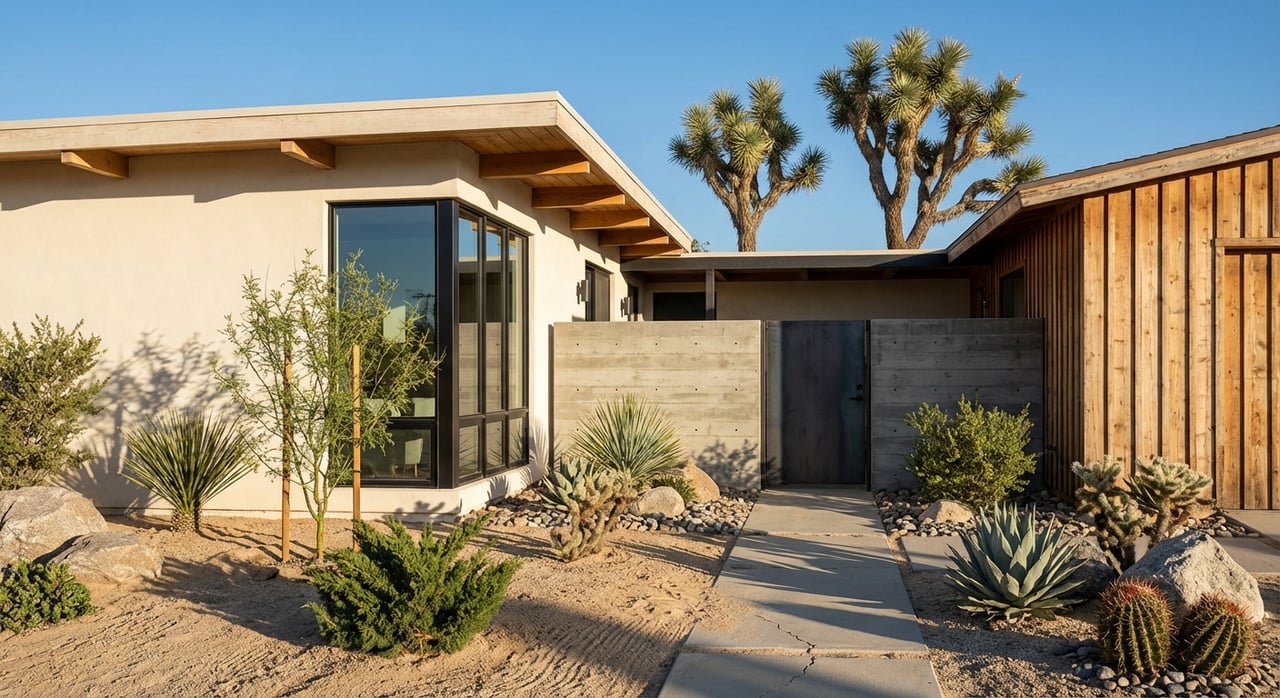
You come to the High Desert for light, space, and that clean-lined calm you can feel the second you step inside. Maybe you picture breeze blocks and clerestory windows. Or a tiny cabin on five acres where the Milky Way feels close enough to touch. If you’re drawn to Yucca Valley’s desert midcentury homes or classic homestead cabins, this guide gives you the essentials: what defines each style, what to watch for with water and septic, how to plan smart upgrades, and what to know if you’re considering a short-term rental. Let’s dive in.
Yucca Valley sits in San Bernardino County at the western gateway to Joshua Tree National Park. In town you’ll find single-story ranch and postwar houses, some with true desert-modern lines. Out on the edges, five-acre “jackrabbit” homestead cabins dot the landscape, from Landers to Wonder Valley. Newer desert-modern builds also appear on larger parcels, often borrowing Palm Springs cues and pairing them with modern performance.
If you’re comparing neighborhoods or parcels, pay attention to access and utilities. In-town areas tend to have paved roads and conventional services. Many outlying homestead parcels were originally off-grid or lightly serviced, so you will want to confirm power, water, and wastewater. The local sewer project is expanding in phases through the Hi-Desert Water District, so check whether a property is already connected or will be required to connect in the future through the district’s sewer service updates.
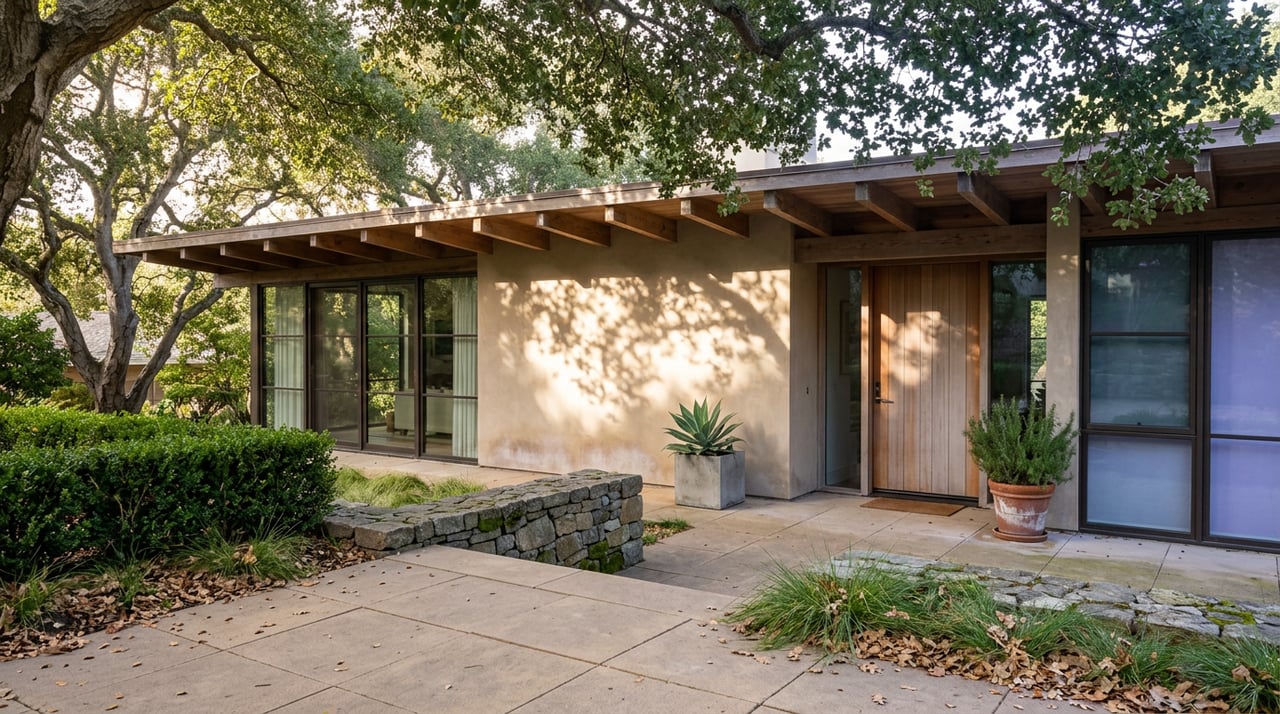
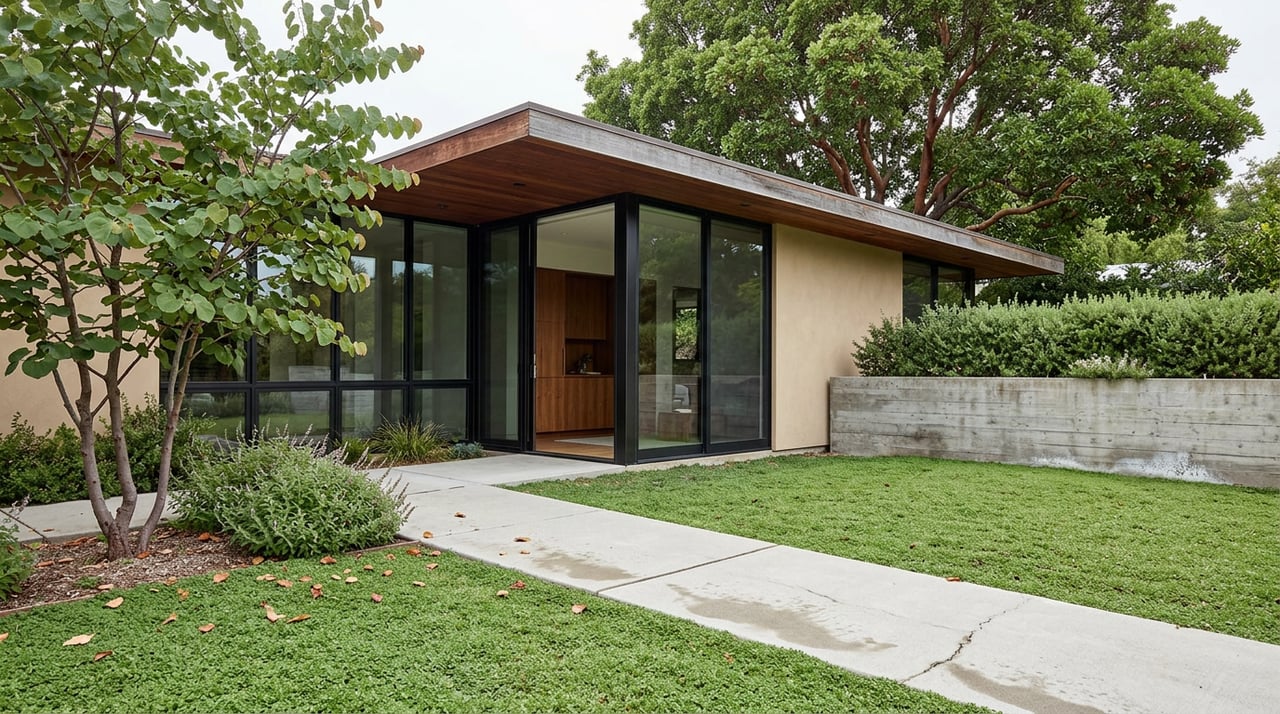
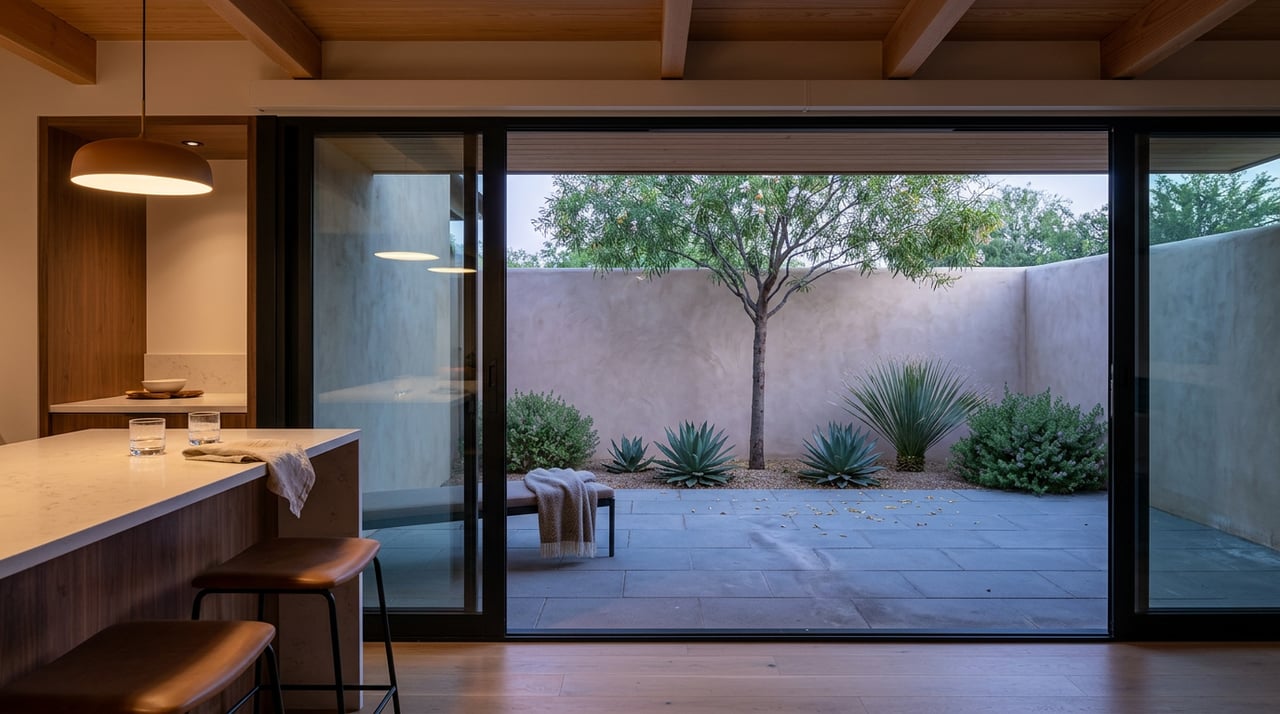
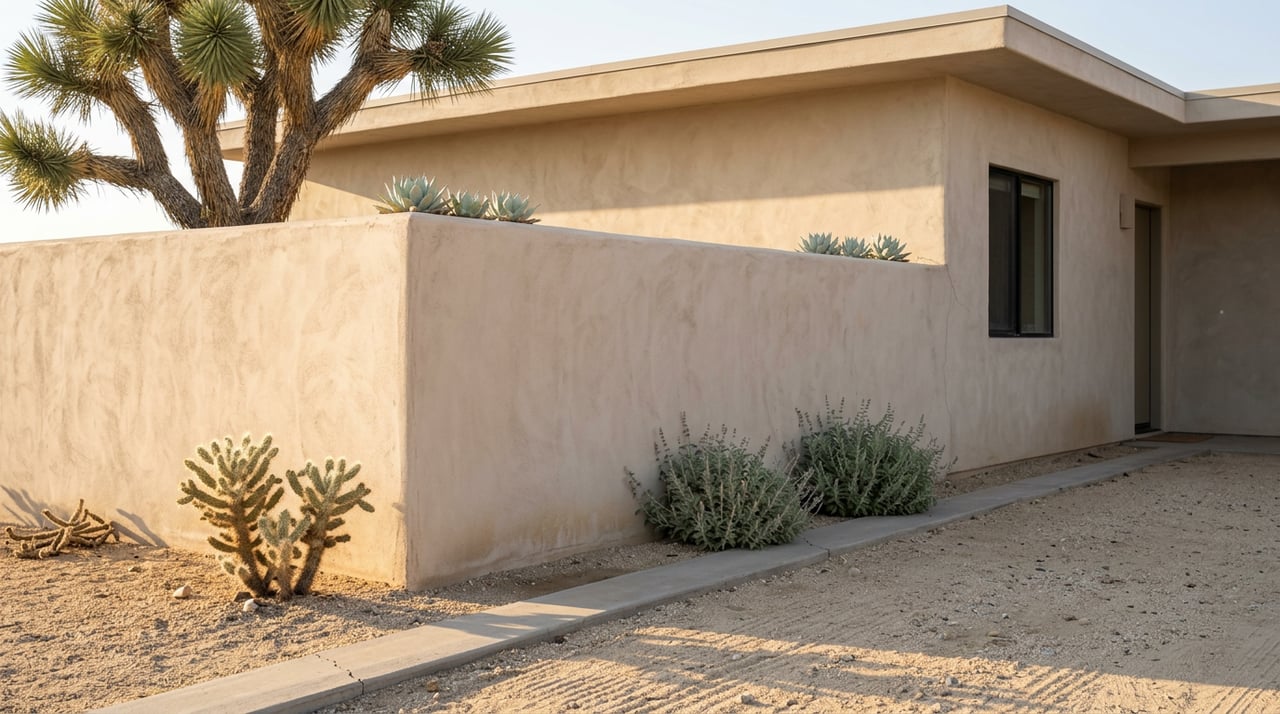
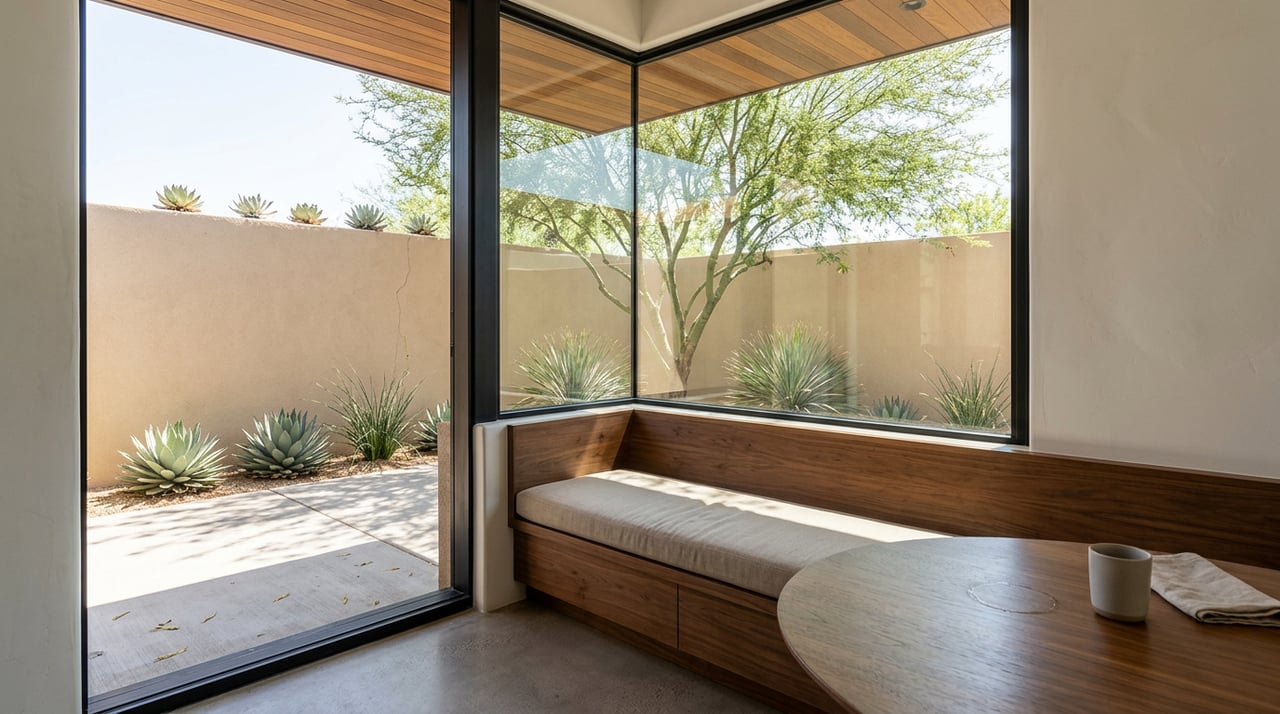
Desert modernism prioritizes the climate. You’ll notice low, horizontal rooflines, broad overhangs, clerestories, and sliding glass that frame sky and mountain views. Courtyards and L- or U-shaped plans create protected outdoor rooms, and decorative masonry screens temper glare. For a quick visual primer on the style’s DNA, see this overview of desert modernism’s core ideas.
Materials are straightforward and expressive: smooth stucco, concrete block, patterned breeze blocks, and exposed post-and-beam ceilings. Many originals still have single-pane steel or aluminum windows. The upgrades you’ll likely plan first are better glazing, improved insulation, and efficient HVAC. In practice, ductless or whole-house heat pumps and window upgrades deliver a big comfort swing in the High Desert climate, as highlighted in case studies of modern desert homes and retrofits on Dwell.
Five-acre “jackrabbit” homesteads date to a mid-20th-century small-tract program that let people claim desert parcels by building simple improvements. Many cabins started as tiny kit structures or basic site-built boxes to meet the requirement, which is why today you’ll still find very small footprints, simple gable or shed roofs, and informal dirt-road access. For a concise history and on-the-ground context, read about the jackrabbit homesteads.
Some cabins have been thoroughly renovated. Others remain close to original and may lack full utility hookups. Expect to verify everything: water supply, septic or alternative wastewater treatment, electrical safety, and basic envelope performance for both summer heat and cold winter nights. The charm is real, but so is the work. If you want a simple weekend retreat, be clear about your tolerance for upgrades.
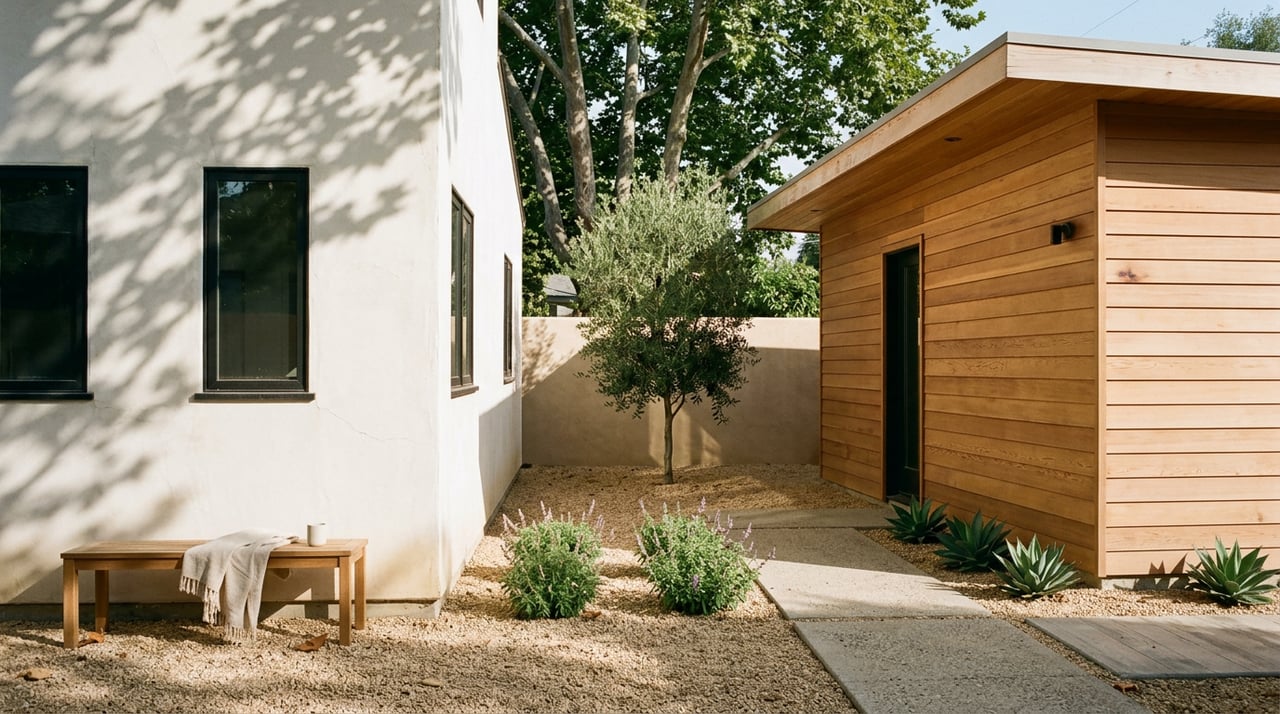
Many new homes in the area borrow midcentury language while solving for modern performance. You’ll see deep eaves, courtyards, and breezeblock screens alongside higher R-values, efficient heat pumps, tankless water heaters, and roofs detailed for solar. Designers often reference Palm Springs-style desert modernism and pair it with durable finishes suited to UV, wind, and temperature swings.
Great desert homes manage sun first. Look for living spaces oriented to sheltered patios, deep overhangs or trellises, and screens that soften direct light. These choices reduce cooling loads and make indoor-outdoor living practical most of the year.
Flat and low-slope roofs, low-pitch gables, and butterfly profiles are common. UV exposure is intense here, so exterior paint, sealants, and single-ply membranes age faster than you might expect. Newer builds may use metal or fiber-cement siding for durability. If you plan to recoat or reroof, pick products rated for strong sun and thermal cycling.
Days can be hot and nights cool. Shading plus thermal mass, good insulation, and an efficient heating solution for winter nights work together. If a home still has single-pane glass or minimal insulation, budget for phased upgrades. Ductless or central heat pumps and better glazing typically give the best cost-to-comfort return in this climate, a pattern echoed in modern desert retrofit examples.
The High Desert’s solar resource is strong, so rooftop PV and battery storage are often cost-effective on suitable roofs. Before you plan an array, confirm roof age and condition, tilt, and shading. A quick primer on solar resource potential can help you evaluate fit for your parcel’s orientation and surroundings, like the overview at Solar Report USA.
If a property is not on sewer, septic feasibility is key. San Bernardino County requires formal percolation testing and has published design standards for leach fields, seepage pits, and alternative systems. Ask for the PERC report and understand what system type the site can support. You can review the county’s percolation and onsite wastewater standards before you write an offer.
Yucca Valley is expanding central sewer service through the Hi-Desert Water District. Some neighborhoods have already connected, and others are scheduled in phases. Confirm whether a parcel is required to connect, what the timeline is, and what fees or assessments apply by checking the district’s sewer service page.
Many outlying homestead parcels historically relied on private wells and septic systems. Where private wells are present, buyers should order water testing for nitrates and bacteria and understand whether a future sewer connection is planned nearby. The county’s onsite wastewater guidance provides useful background on how septic density can affect groundwater.
Homes built before 1978 can contain lead-based paint, and some older materials may contain asbestos. If you plan to disturb painted or suspect materials, testing and certified practices are the safe route. Learn the basics from the EPA’s Renovation, Repair, and Painting Program.
Vintage cabins and unrenovated midcentury homes may have outdated wiring or undersized panels. Have a licensed electrician evaluate panel capacity if you expect to add heat pumps, EV charging, or solar with battery. Ask for any past electrical work permits and documentation.
High UV, wind, and temperature swings speed up deterioration. Inspect roof membranes, fascia, flashings, and sealants. Order a wood-destroying pest inspection and look closely at eaves, decks, and any exposed wood on older cabins.
If you are considering a short-term rental, start with the Town’s rules. Yucca Valley requires a local permit, business registration, and Transient Occupancy Tax registration. Owners must provide a nuisance response plan and follow site and occupancy standards. You can review the permit steps on the Town’s Short-Term Vacation Rental program page.
The program uses a numeric cap tied to housing stock. Recent reviews have maintained a 10 percent maximum cap and active enforcement, so availability changes as permits are issued or lapse. For context on recent decisions, see local coverage of the permit cap discussions. Before you buy, verify current permit availability, whether permits transfer on sale, and if your parcel’s zoning allows STRs.
Practical STR checklist:
Use this quick list to focus your due diligence:
Whether you are chasing breeze blocks or a five-acre sunrise, the right guidance turns a desert dream into a smart purchase. Our team lives the architecture and knows the local rules, from sewer phases to STR permits. If you want a plan tailored to your goals, reach out to the Backbeat Homes - Clarkliving Team. We will help you compare options, line up the right inspections, and land a home that fits your life.
Stay up to date on the latest real estate trends.