Torn between the warm wood of a Craftsman and the sunlit arches of a Spanish Revival? If you create for a living, your home has to look good and work hard. This guide breaks down the hallmarks, layouts, maintenance, and local rules that matter in Pasadena, Highland Park, and Los Feliz so you can match the right classic style to your lifestyle and studio needs. Let’s dive in.
The styles in Los Angeles
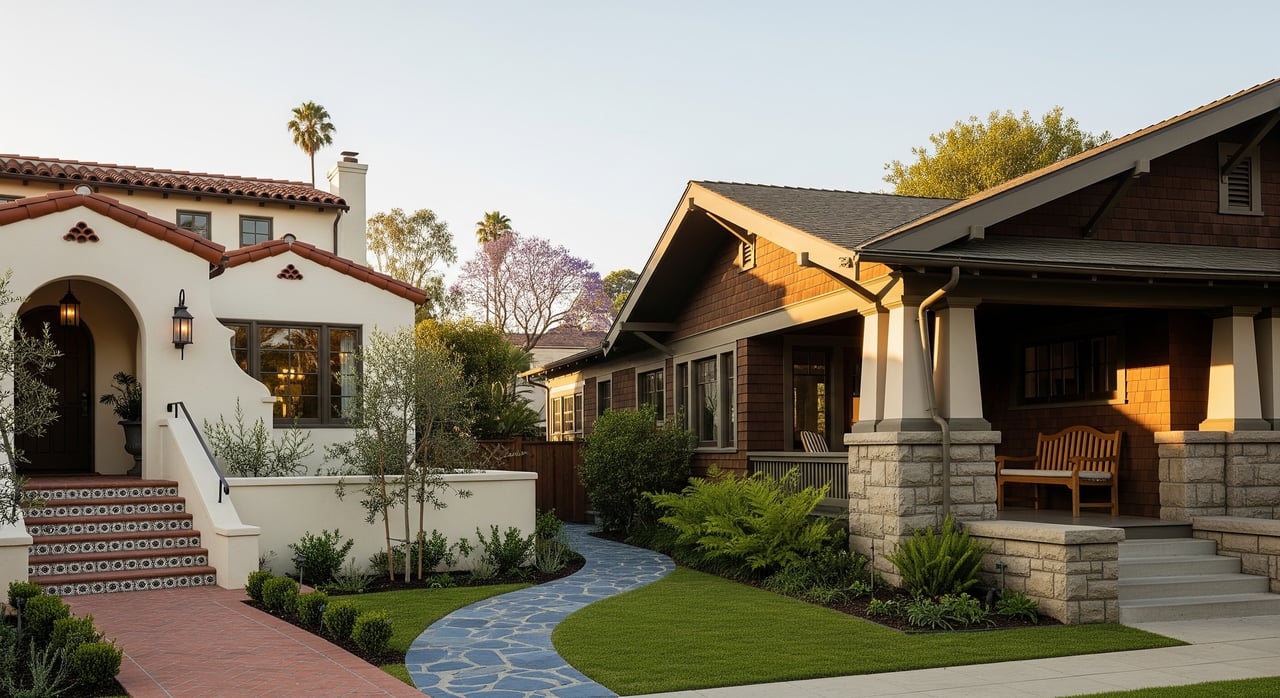
Early 20th-century Los Angeles embraced both Craftsman and Spanish Revival design. Craftsman homes took off from roughly 1905 to 1930, with celebrated high-style examples in Pasadena and bungalows throughout Highland Park and Los Feliz. Spanish Revival, popular from about 1915 to 1940, brought stucco walls, clay tile roofs, and courtyards to neighborhoods across the city.
You’ll find concentrations of Craftsman bungalows and landmark properties in Pasadena, a mix of Craftsman and Spanish Revival in Highland Park, and both styles in Los Feliz, including areas within Historic Preservation Overlay Zones. Availability, condition, and preservation oversight can vary block by block, so it helps to understand each style’s bones before you tour.
Craftsman essentials
Exterior hallmarks
- Low-pitched gabled roofs with wide eaves and exposed rafters.
- Deep front porches with tapered or squared columns on stone or brick piers.
- Natural materials like wood or shingle siding with stone accents.
- Grouped windows with multi-pane uppers over single panes.
Interior hallmarks and layout
- Built-in cabinetry, bookcases, and window seats that showcase craftsmanship.
- Efficient flow from living room to dining room that feels open compared to earlier Victorian plans.
- Many bungalows are 1 to 1.5 stories with 2 to 3 bedrooms, while high-style homes can be larger.
- Warm wood trim and original fixtures, with smaller bedroom footprints and generous common rooms.
Creative use and feel
- Great for small to medium home studios, especially in living or sunroom spaces.
- Built-ins offer ready storage for gear and supplies.
- Grouped windows create bright, diffuse light that works well for photography and design.
Spanish Revival essentials
Exterior hallmarks
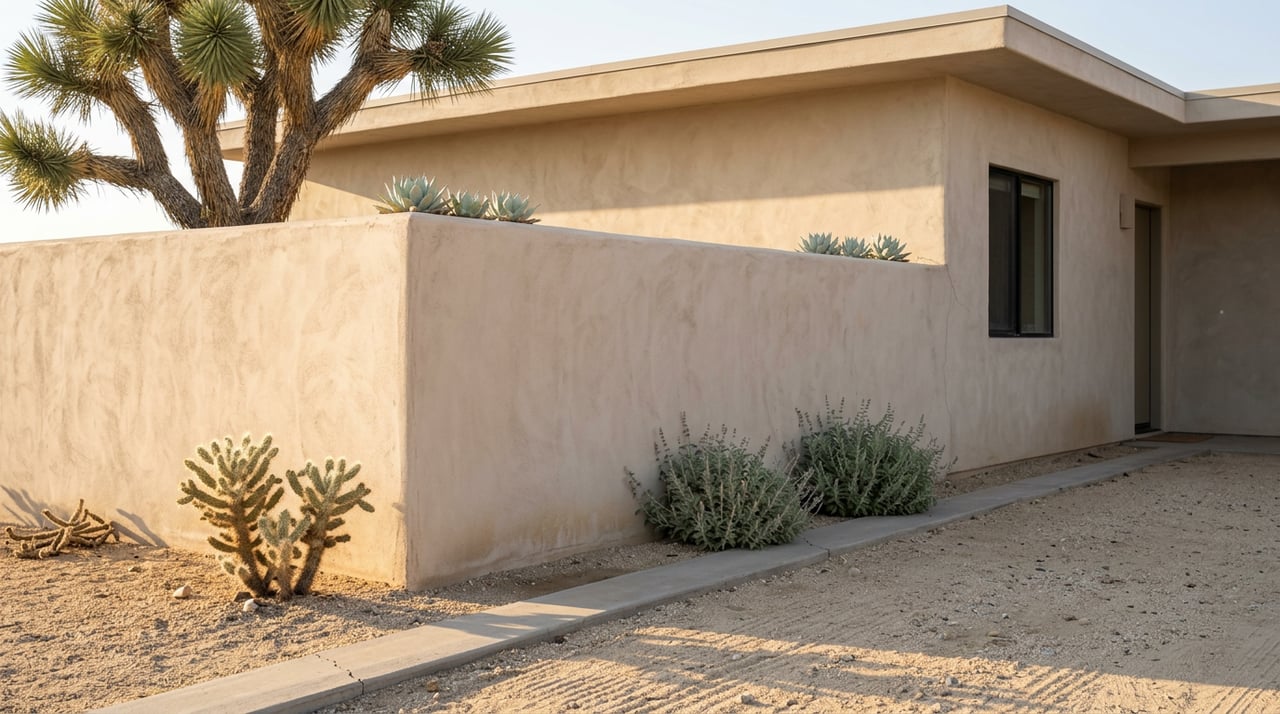
- Smooth or textured stucco walls with red clay tile roofs.
- Arched openings, decorative wrought iron, and carved wood doors.
- Courtyards, patios, and loggias that blur indoor and outdoor living.
- Often asymmetrical façades, with towers or parapets on larger examples.
Interior hallmarks and layout
- Plaster walls, thick or deep-set openings, and decorative tilework.
- Floorplans that may center on courtyards or a sequence of patios for natural flow.
- Single-story homes are common, though two-story versions are also found.
- Details like tiled stair risers and ornamental stairways.
Creative use and feel
- Courtyards and covered outdoor areas become natural workshop or client spaces.
- Thicker walls and smaller windows can reduce daylight, which suits controlled-light studios.
- Tiled floors and plaster walls handle traffic and materials with ease.
What it feels like to live and work
- Light and mood
- Craftsman: Warm, wood-forward interiors with filtered daylight through grouped windows. Comfortable for meetings and creative sessions in common rooms.
- Spanish Revival: Softer interior light with strong indoor-outdoor potential. Courtyards are ideal for shoots, sculpture, and client presentations.
- Flow and privacy
- Craftsman: Logical living-dining sequence adapts well to a combined studio or office. Porches double as informal client waiting areas.
- Spanish Revival: Courtyards and secondary entries can create discrete client access and semi-private outdoor work zones.
- Sound and acoustics
- Craftsman: Wood-framed interiors may need added insulation or soundproofing for music and recording.
- Spanish Revival: Thicker walls often provide better room-to-room sound isolation.
Maintenance and systems in LA’s climate
Craftsman: typical considerations
- Wood siding and trim need regular painting or staining, especially under strong sun.
- Exposed rafters and eaves can crack or rot in shaded, moisture-prone areas.
- Original wood shingles are maintenance-intensive, so many owners upgrade to composition shingles.
- Termites and dry rot are common regional risks in wood-framed homes, so plan for routine inspections.
Spanish Revival: typical considerations
- Stucco develops hairline cracks over time and needs periodic inspection and repair to prevent water intrusion.
- Clay tile roofs last a long time, but underlayment and flashing age out and may need replacement before tiles fail.
- Decorative ironwork can rust and wood elements may need refinishing.
- Thick walls can trap moisture if detailed poorly, though LA’s dry climate moderates this risk.
Systems and upgrades for both styles
- Electrical: Older homes may have knob-and-tube wiring or low amperage panels. Modern creative work often requires panel upgrades and dedicated circuits.
- Plumbing: Galvanized or older materials are common. Re-piping often happens during kitchen or bath updates.
- HVAC and insulation: Many early homes lack modern insulation. Attic insulation, efficient HVAC, and ducting upgrades improve comfort and energy use.
- Windows: Original single-pane windows can be retrofitted for comfort and sound control if preservation rules allow.
Local climate, fire, pests, and seismic
- Sun and heat: UV exposure ages exterior finishes quickly. Ventilation and radiant barriers help control attic heat.
- Fire: Certain hillside or wildland interface areas carry higher wildfire designations. Wood shake roofs may be restricted in Very High Fire Hazard Severity Zones.
- Termites: Subterranean termites are present regionally, so routine inspections are wise, especially for wood-heavy Craftsman homes.
- Seismic: Look for braced cripple walls, reinforced chimneys, and anchored utilities. Unreinforced masonry elements can be a hazard.
Rules, permits, and preservation oversight
- Historic overlays: In Los Angeles, Historic Preservation Overlay Zones and Historic-Cultural Monuments require review of visible exterior changes. In Pasadena, historic districts and landmarks come under commission review. Interior changes are usually more flexible unless the property is landmarked.
- ADUs and parking: California streamlined ADU approvals, and many older lots work for detached or garage-converted ADUs. Parking requirements may be waived in some situations, but check local rules.
- Home businesses: Los Angeles allows many home occupations with restrictions on client visits, signage, and noise. Some uses require permits.
- Mills Act: Qualifying historic properties can reduce property taxes in exchange for preservation commitments, subject to local programs.
- Permits and seismic: Structural work, full remodels, ADUs, and most electrical or plumbing upgrades require permits. Seismic retrofits are common even when not mandated.
Which fits your creative workflow
Touring checklist for creatives
- Electrical capacity: What is the panel amperage and wiring type? Will equipment need dedicated circuits?
- Daylighting: How does light change in your potential studio space across the day?
- Separate access: Is there a courtyard or secondary entrance for client visits or deliveries?
- Historic status: Is the home in an HPOZ or a designated district? What exterior changes require review?
- Roof and envelope: Tile underlayment age on Spanish homes, paint and wood condition on Craftsman homes.
- Pests and structure: Any active termite activity, dry rot, or signs of foundation movement?
- ADU potential: Is the lot or garage suitable for an ADU or workspace conversion within local rules?
Smart upgrade priorities after you buy
- Electrical service upgrades with dedicated circuits for gear and lighting.
- Targeted seismic work like bracing cripple walls and anchoring chimneys.
- Insulation, HVAC, and ventilation to improve comfort and protect equipment.
- Window and lighting strategies to balance daylight, heat, and sound.
- Permitted ADU or garage conversions for income or separate work areas.
Local neighborhood notes
- Pasadena: Dense inventory of high-style Craftsman and early bungalows, plus active preservation and potential Mills Act opportunities.
- Highland Park: Many modest Craftsman and Spanish Revival homes from the 1910s to 1930s that adapt well to creative studio setups.
- Los Feliz: Mix of larger Spanish Revival homes and Craftsman bungalows, with portions under HPOZ oversight that shape exterior changes.
Finding your fit
If you are energized by wood, built-ins, and porch life, a Craftsman often feels like a ready-made creative nest. If you thrive in the open air with controlled interior light and a courtyard for client showcases, Spanish Revival leans your way. Either way, early 20th-century homes reward thoughtful care and smart upgrades that protect character while supporting modern work.
Ready to talk through options, overlays, and studio planning in Pasadena, Highland Park, or Los Feliz? Reach out and let’s map the right path for your timeline and budget. Work with our team to shortlist properties, line up the right inspections, and build a game plan for upgrades.
Want guidance tailored to your project and neighborhood goals? Connect with the team at Backbeat Homes - Clarkliving Team to explore listings, plan studio-ready upgrades, and move with confidence.
FAQs
What is the key difference between Craftsman and Spanish Revival homes in Los Angeles?
- Craftsman homes emphasize warm wood, built-ins, and porch-forward living, while Spanish Revival homes focus on stucco, clay tile roofs, arches, and courtyards that blend indoor-outdoor space.
How do HPOZ rules affect remodeling a home in Los Feliz or other LA neighborhoods?
- HPOZs review visible exterior changes to protect historic character, so items like window replacements, additions, or façade work typically require approval, while most interior updates are more flexible.
Are Craftsman bungalows in Pasadena good candidates for creative studios?
- Yes, the living-dining flow and generous common rooms adapt well to studio use, and built-ins provide storage, though soundproofing and electrical upgrades are common.
What inspections matter most for early-1900s homes in Highland Park?
- Prioritize general home, roof, and termite inspections, with specialists for electrical, plumbing, and seismic elements like chimneys and cripple walls when needed.
How does LA’s climate change maintenance needs for these styles?
- Sun and heat push more frequent paint and wood care on Craftsman homes, while Spanish stucco and clay tile need periodic crack repairs and underlayment checks to prevent water issues.
Can I reduce property taxes on a historic home in Pasadena or Los Angeles?
- Some qualifying properties may be eligible for the Mills Act, which can lower property taxes in exchange for preservation commitments, subject to local program rules.