High Desert vs Coachella Valley: Comparing Homes & Lifestyle
Should you plant roots in Yucca Valley’s High Desert or set up life in the Coachella Valley? If you are weighing wide-open space against resort convenience, you are not alone. Each area delivers a distinct pace, price profile, and daily rhythm. In this guide, you will learn how climate, housing types, HOAs, utilities, and lifestyle compare so you can choose the best fit for how you live. Let’s dive in.
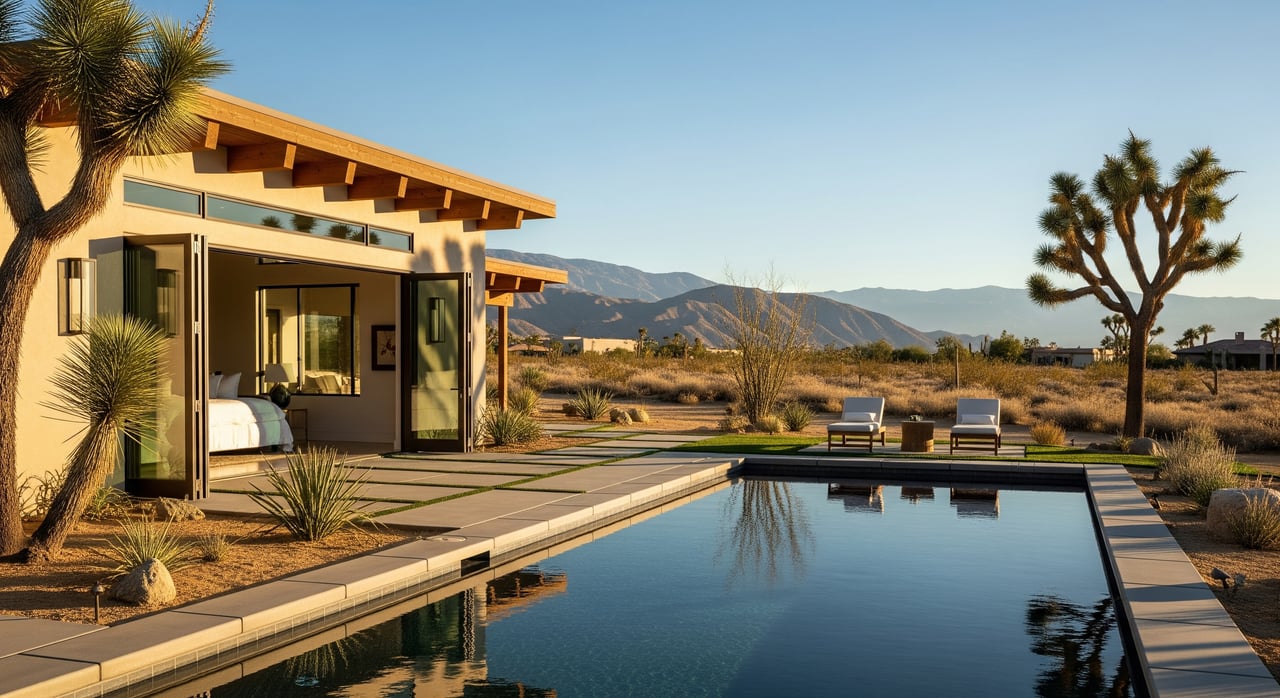
High Desert refers to communities like Yucca Valley, Joshua Tree, and Twentynine Palms in San Bernardino County. You get higher elevation, bigger temperature swings, and more rural land options. It is the western gateway to Joshua Tree National Park and home to artist communities, hikers, and year-round residents who value space and sky.
Coachella Valley includes cities like Palm Springs, Palm Desert, and La Quinta in Riverside County. It is lower in elevation, more developed, and shaped by resort living, golf, and seasonal events. Services are denser, and Palm Springs International Airport is close at hand.
These two regions sit within the same broader desert, yet they feel very different in daily life and cost of ownership. Your choice comes down to the lifestyle you want and the systems that support it.
High Desert summers still get hot, but nights cool more due to higher elevation. Winters can feel crisp, with occasional cold snaps. You will notice clear, starry nights and that classic high-desert flora like Joshua trees and creosote.
Coachella Valley runs hotter in summer and milder in winter. Landscapes are palm-lined, with golf courses, resort gardens, and more built-up outdoor amenities. Both areas are arid with low rainfall and some late-summer monsoon risk.
Hazards to consider in both regions include wildfire exposure, strong winds, flash flooding in washes, and seismic activity. Before you buy, review local hazard overlays and maps, and ask about recent fire history for the specific parcel or subdivision.
In Coachella Valley, you will find shorter drives to retail, restaurants, healthcare, and entertainment. The airport improves access for second-home owners and frequent travelers. Seasonal tourism brings more choices, and also more event weeks to plan around.
In the High Desert, core services meet day-to-day needs, but options are fewer and farther apart. You trade convenience for quiet and big skies. Many residents prize the slower nights and outdoor solitude near Joshua Tree National Park.
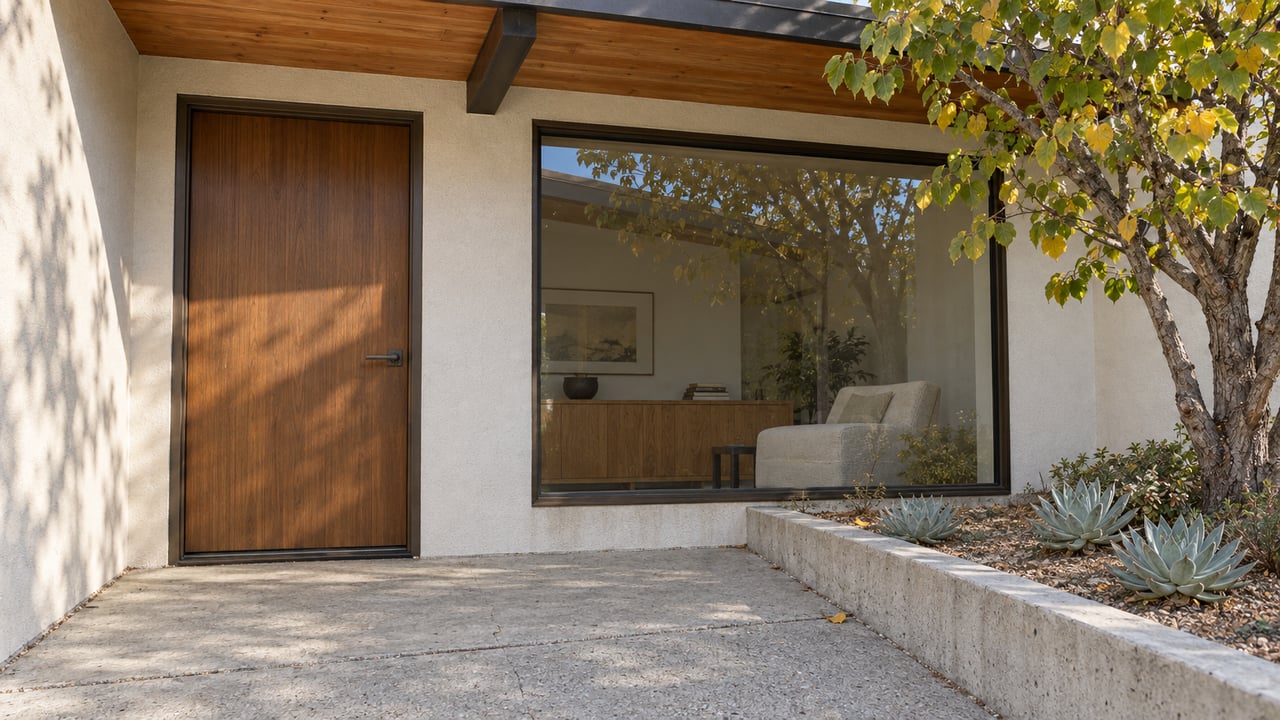
High Desert housing skews toward single-family homes on larger lots, manufactured and mobile homes, older bungalows, cabins, and artist-built structures. You also see more raw land and opportunities for detached workshops and accessory buildings. On rural parcels, septic and wells are common. Always verify permit history and capacity if you plan to add structures.
Coachella Valley offers a broader mix of mid-century estates, condos, 55-plus communities, golf-course homes, and newer resort-style developments. Lot sizes in subdivisions are typically smaller than rural High Desert parcels, with more properties connected to municipal water and sewer.
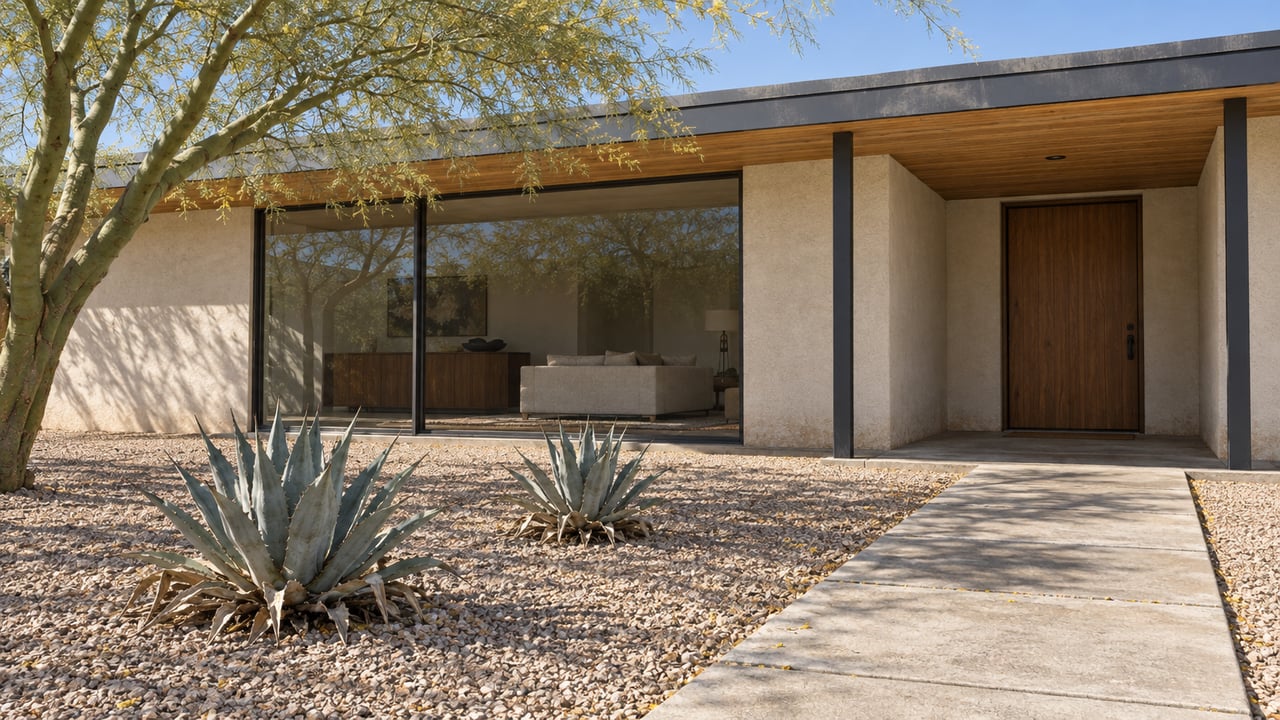
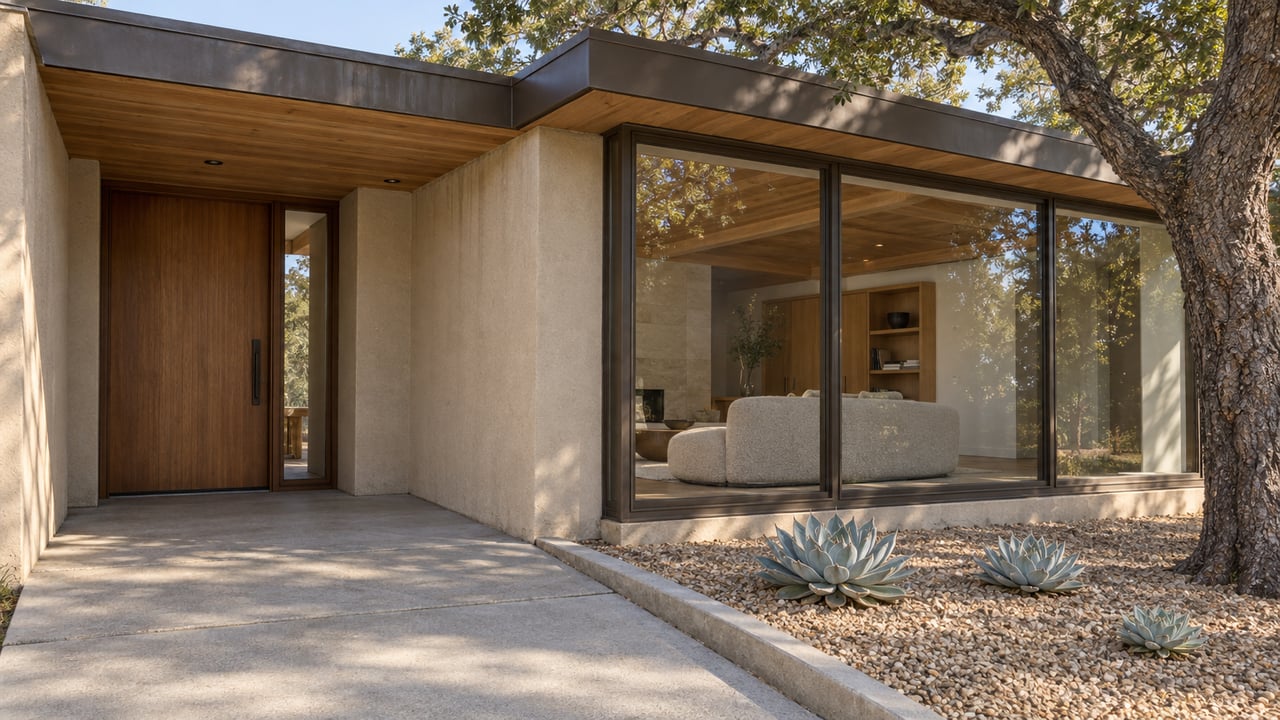
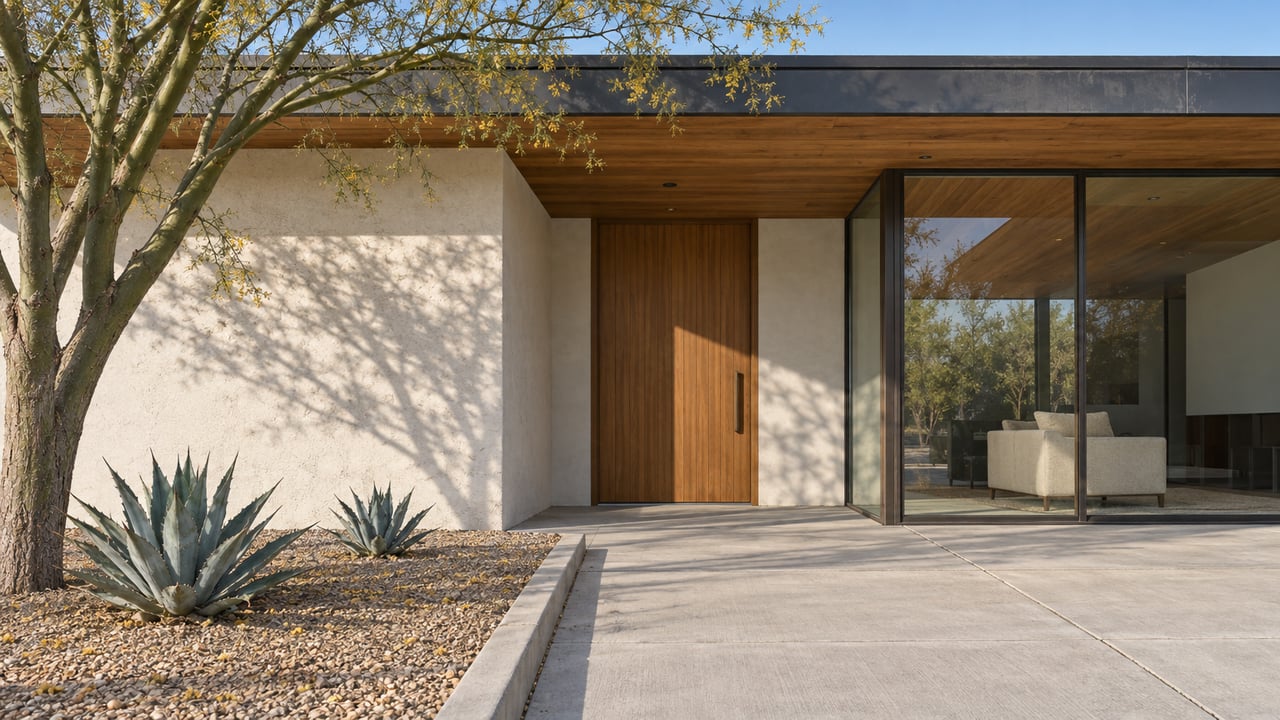
Design trends in both regions celebrate indoor-outdoor living and desert-friendly materials. Coachella Valley tends to emphasize luxury finishes and landscaping. High Desert buyers often value privacy, views, and land.
In general terms, Coachella Valley commands higher prices due to resort demand, seasonal residents, golf communities, and a strong luxury segment. Inventory includes many HOA-managed neighborhoods with amenities.
The High Desert usually offers lower entry prices and more land for the money. Inventory trends include modest single-family homes, manufactured housing, and larger parcels that appeal to buyers seeking space or creative projects.
Seasonal demand plays a role. Coachella Valley often sees heightened activity tied to festivals and snowbird cycles. High Desert demand leans on affordability, remote work flexibility, and national park proximity.
If you want exact figures, request current median sale price, days on market, and price per square foot by city. Pull data from the local MLS or other verified regional reports, and date each comparison when you review it.
HOAs are common in Coachella Valley, especially in golf communities, condo complexes, gated neighborhoods, and 55-plus developments. Fees fund shared amenities and maintenance, but rules can limit exterior changes, landscaping, parking, and rental activity. Always read the CC&Rs, budgets, and meeting minutes, and confirm any special assessments.
The High Desert has fewer HOAs overall. Many rural parcels have no HOA, though some newer subdivisions and manufactured-home parks do. The tradeoff is more freedom on non-HOA parcels, paired with more personal responsibility for maintenance and curb appeal.
Water sources and rules differ by jurisdiction. Coachella Valley relies on established water districts and imported water infrastructure. The High Desert draws on local groundwater and municipal systems in town, with wells in many unincorporated areas. Both regions follow statewide conservation policies, which can shape landscaping choices and water costs.
Wastewater varies by neighborhood. Coachella Valley properties are more likely to connect to municipal sewer, though some older or edge-area homes use septic. In the High Desert, septic is common on larger or rural lots. Ask for septic permits, maintenance records, and capacity information. Verify well permits and water rights for raw land.
Electric service is widely available, but extending power to remote High Desert parcels can get costly. Natural gas availability varies; many homes use propane. Broadband and cell coverage are generally stronger in Coachella Valley. In the High Desert, especially in remote Joshua Tree pockets, expect more variability. If you work from home, verify providers and speeds at the address and ask neighbors for real-world experience.
Both regions see active short-term rental markets, driven by Joshua Tree National Park and Coachella Valley’s event calendar. Rules differ by city and county, and they change. Expect business licenses, permits, occupancy limits, noise rules, and parking requirements. Enforcement levels vary by jurisdiction.
If rental income is part of your plan, confirm current local regulations for the specific city or unincorporated area before you buy. Review neighborhood rules where HOAs or CC&Rs apply, since they may be more restrictive than city code.
In California, base property taxes start near 1 percent of assessed value, plus local assessments. Differences between nearby cities are often modest, but some communities have extra parcel taxes or special assessments. Review the tax bill and any Mello-Roos obligations during due diligence.
Wildfire exposure and brush proximity can affect homeowner insurance availability and premiums. Some carriers require defensible space and ember-resistant features, especially in high-risk zones. Earthquake insurance is separate and optional. Flood insurance may be needed in mapped floodplains.
Monthly costs add up beyond the mortgage. In Coachella Valley, plan for HOA fees where applicable. In the High Desert, budget for septic pumping, well servicing or water hauling if relevant, and possible propane deliveries. Across both regions, water and electric costs, landscaping upkeep, and seasonal HVAC use shape annual expenses.
Choose the High Desert if you want land, privacy, dark skies, and a quieter daily rhythm near Joshua Tree. You are comfortable with rural systems like septic or wells, and you value creative space more than walkable amenities.
Choose Coachella Valley if you want resort access, golf and spas, denser services, and easier travel. You are comfortable with HOA-managed communities or prefer a lock-and-leave condo with amenities and established maintenance.
If your life spans both worlds, consider a cross-market strategy: a primary home in the High Desert and a pied-à-terre in Palm Springs, or the reverse. It comes down to where you spend your time, your budget, and your appetite for land versus amenities.
Ready to compare specific homes across Yucca Valley and the Coachella Valley? Our desert team works across both markets and can help you weigh land, lifestyle, and long-term costs with clear, current data. Reach out to the Backbeat Homes - Clarkliving Team to map your next move.
Stay up to date on the latest real estate trends.