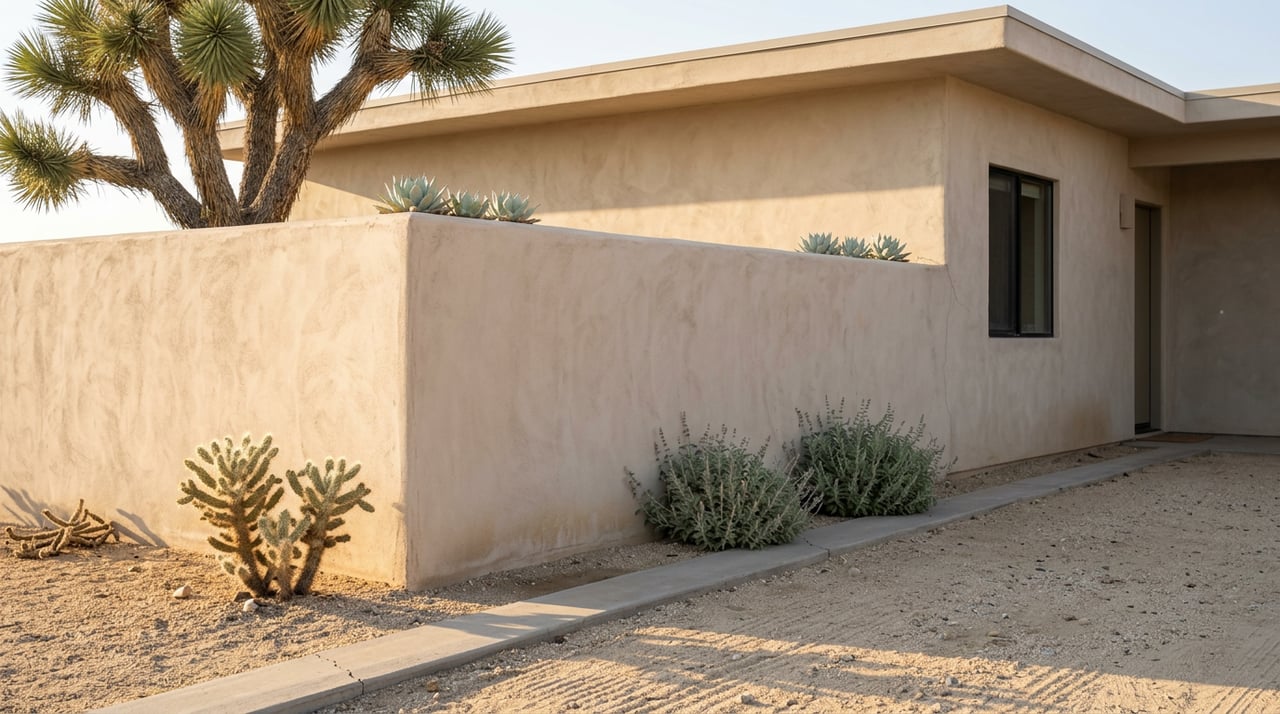
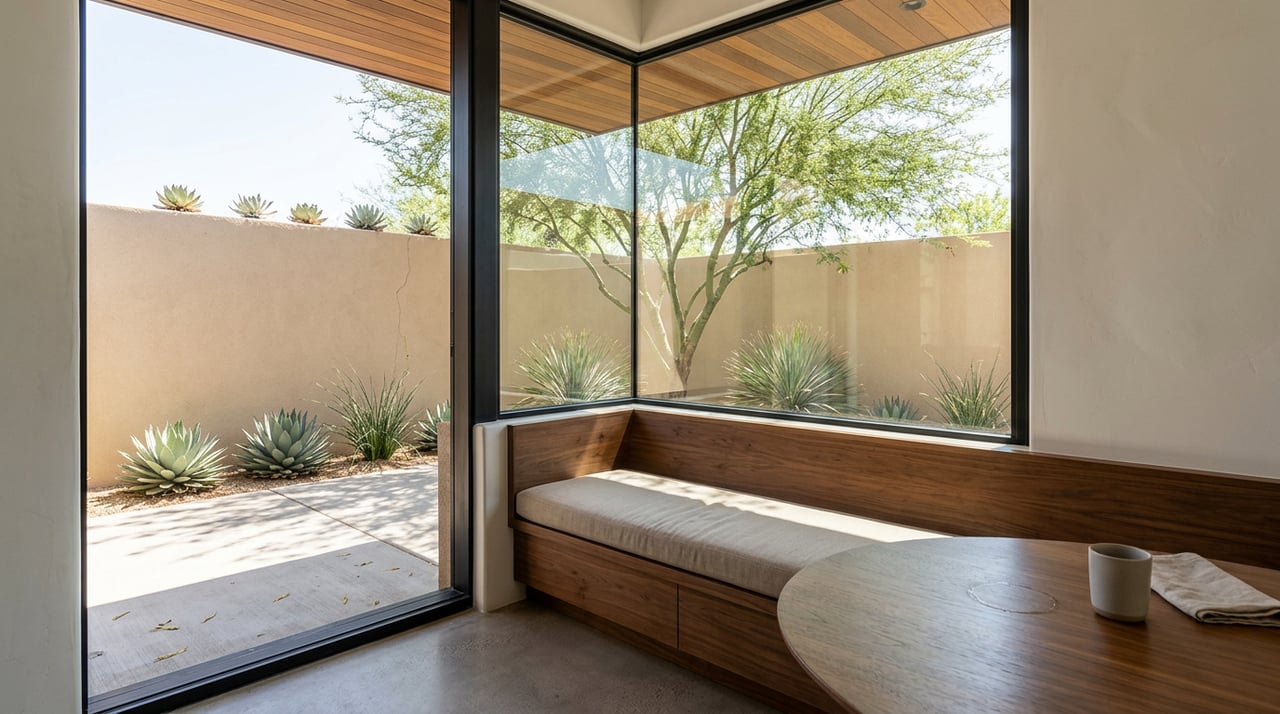
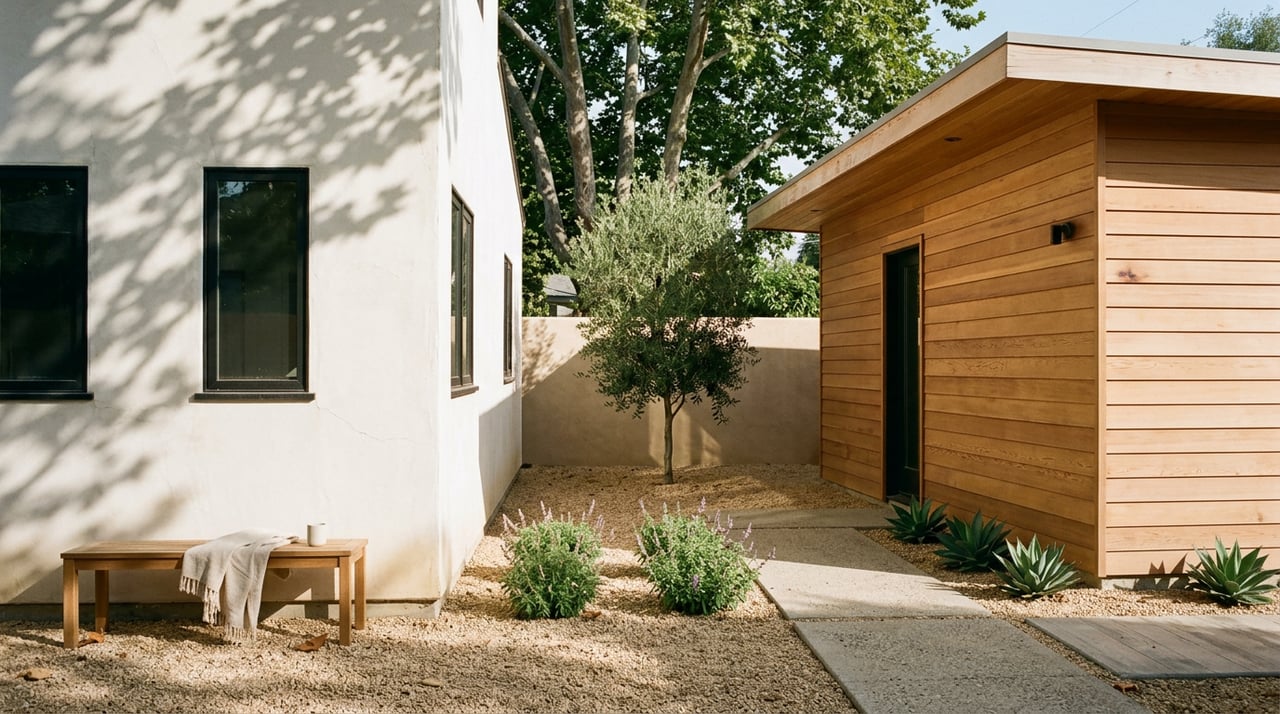
Living in Yucca Valley Year Round: Daily Life Overview
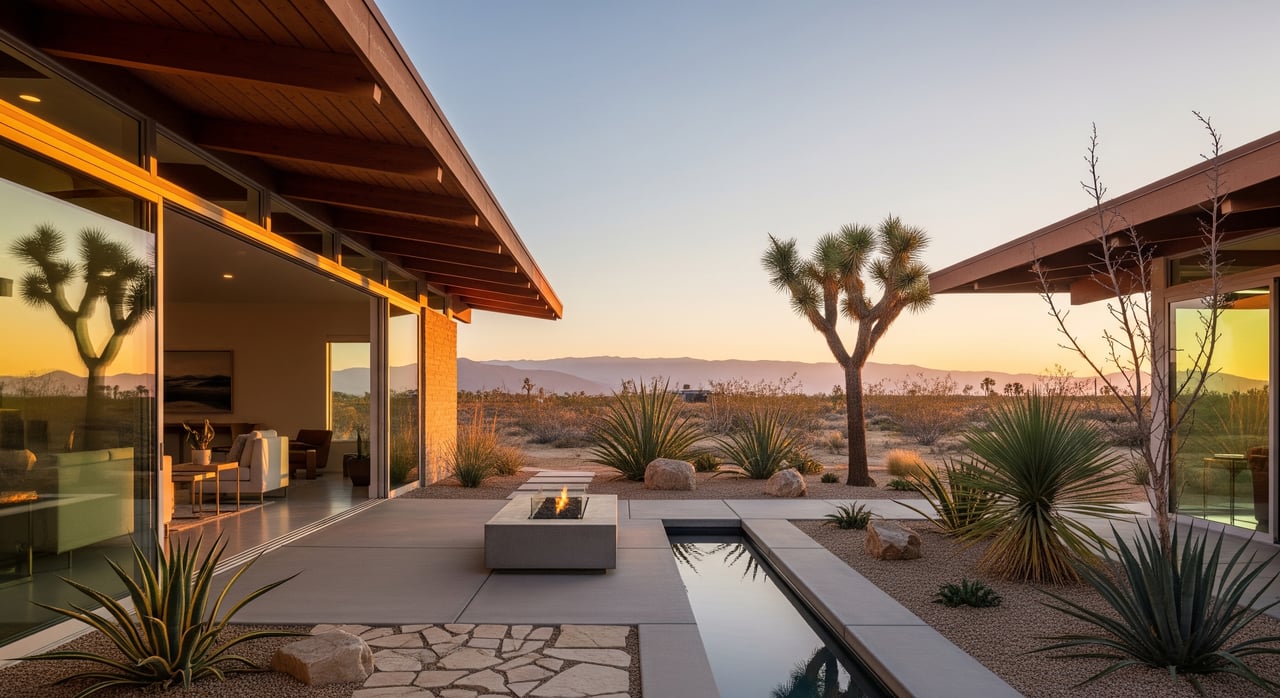
Thinking about trading LA’s pace for desert skies and starry nights? If you’re curious about Yucca Valley, you’re not alone. Many creatives and remote workers are drawn to its slower rhythm, open space, and access to Joshua Tree National Park. In this guide, you’ll get a clear picture of what year‑round life feels like, from seasons and services to housing, utilities, and daily routines. Let’s dive in.
Yucca Valley sits in the Morongo Basin in Southern California’s High Desert. You’re close to Joshua Tree and Twentynine Palms, with Palm Springs and the Inland Empire within driving reach. The town serves as a commercial and residential hub for the surrounding desert communities.
The vibe is semi‑rural and suburban with low density compared to LA. You’ll find a mix of long‑time residents, families, artists, and remote professionals who want town‑scale services without a metro pace. It’s quieter than coastal cities, but not isolated.
Yucca Valley has a classic High Desert climate: hot, dry summers; mild, sunny days in winter; and large temperature swings from day to night. Rain is limited, and some late‑summer seasons bring monsoonal thunderstorms.
Summer can be intense. Outdoor time shifts to early mornings and evenings. Locals plan hikes at sunrise, keep afternoons indoors, and use shade, water, and cooling to stay comfortable. Night temperatures often offer relief compared with daytime highs.
Fall and spring bring the best weather for hiking, climbing, and gatherings. These shoulder seasons also draw the most visitors, so weekends can feel busier. If you love outdoor photography and music events, this is when the light and weather are at their peak.
Winter days are often crisp and sunny, perfect for midday hikes and stargazing. Nights turn chilly, and occasional cold snaps happen. Layering and good home insulation make a big difference in comfort.
Joshua Tree National Park is a major lifestyle driver here. Trailheads, bouldering areas, and scenic drives are a short hop from town. You can catch golden hour in the rocks on a weekday or sneak in a full hike between morning coffee and lunch.
Plan ahead. Services in the park are limited, shade is scarce, and cell coverage can be spotty. Parking fills quickly during peak seasons and holidays, so early starts or weekday visits help. Always carry more water than you think you need and know your route before heading out.
Yucca Valley’s main corridor along State Route 62 has grocery options, hardware stores, home services, pharmacies, and everyday retail. It’s the practical center of the Morongo Basin, so you can handle most errands in town.
Dining skews casual, with a growing mix of cafés, small restaurants, and bars. Nightlife is quieter than big cities, but the creative scene is real. You’ll find galleries, seasonal markets, studio tours, and music events across Yucca Valley and nearby Joshua Tree. Many residents host or attend informal gatherings, shows, and pop‑ups.
You can access basic medical services and urgent care locally, with hospital‑level care available in the regional network. Public schools are operated by the local district, with additional private or charter options in the broader area. For specific program details, check district and school resources directly.
Driving is the primary way to get around. State Route 62 links Yucca Valley with nearby towns and to regional highways like I‑10. Local transit exists through regional providers, but routes and frequency are limited compared with metro areas.
Trips to Palm Springs and the Coachella Valley are doable by car. Visits to central LA are best planned as occasional, multi‑hour drives depending on traffic and timing.
Internet access varies by neighborhood. You’ll find cable, DSL, fixed wireless, and satellite options, with fiber less common. If you work from home, verify speeds at a specific address before you commit, and consider a backup plan like a hotspot or satellite for outages.
Compared to Los Angeles and the coast, Yucca Valley generally offers more attainable prices, though desert markets saw strong price growth during and after the pandemic. Inventory and pricing ebb and flow with broader market cycles and the vacation‑rental economy.
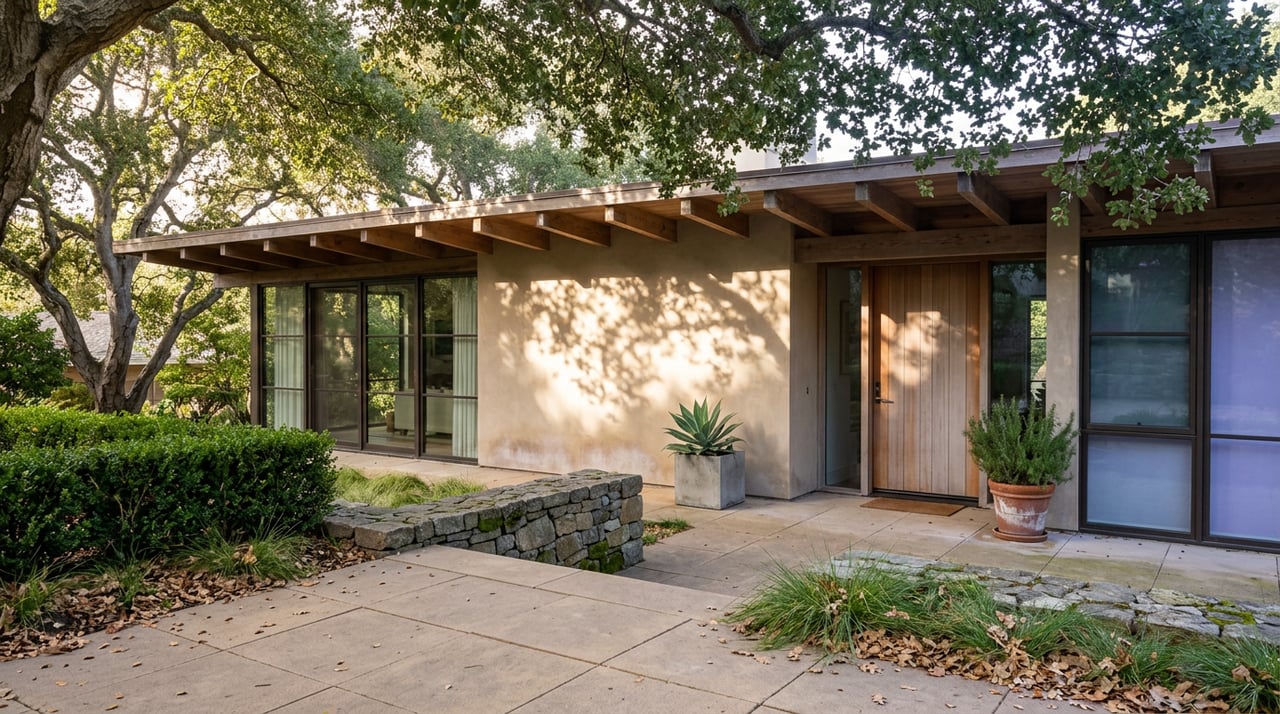
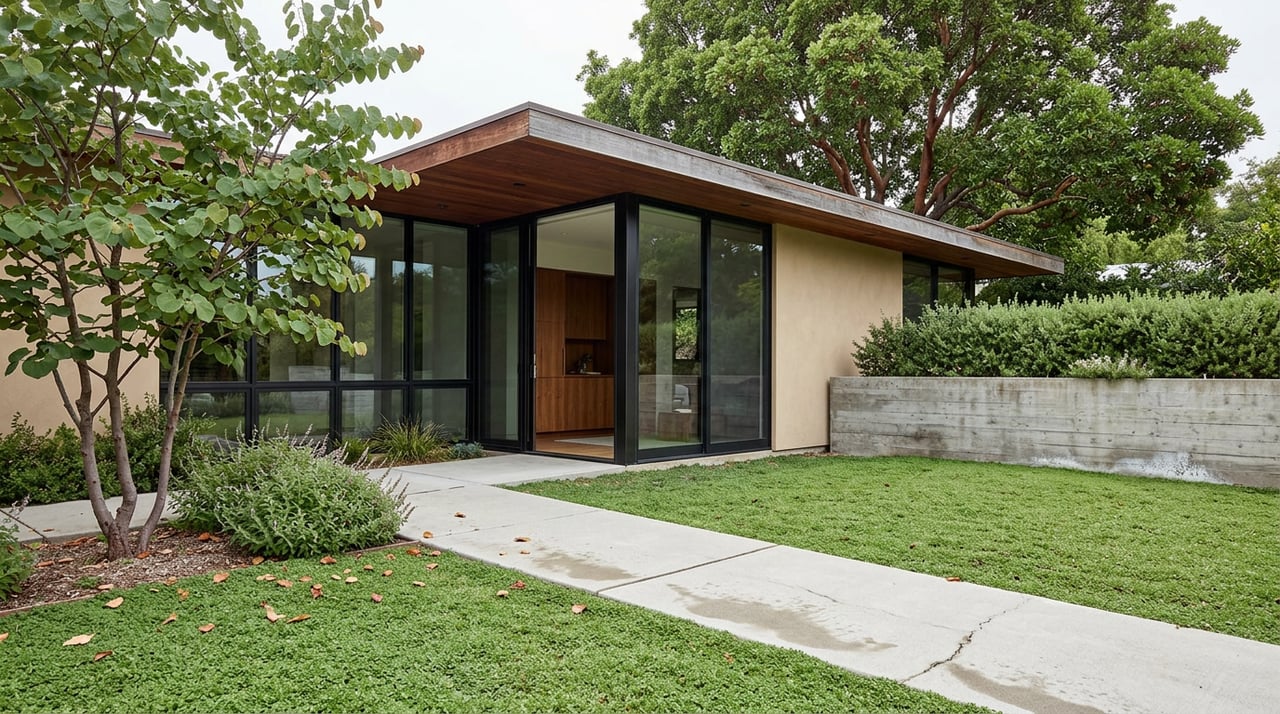
Homes range from single‑family properties and manufactured homes to smaller multi‑unit rentals and vacation‑friendly houses. Many lots are larger and more natural in landscape. If you need space for a home studio or workshop, you’ll see plenty of single‑story floor plans and flexible rooms that can double as creative space.
Short‑term rentals are part of the fabric here due to park proximity. Local and county regulations govern registration, taxation, and operating standards, and these rules evolve. If you plan to host, review the latest ordinance and understand neighborhood impacts like parking and noise, especially during busy seasons.
For remote workers, verify home internet at the address level, ask about power reliability, and consider whether you want solar or battery backup. These small details add up to a smoother daily workflow in a desert town.
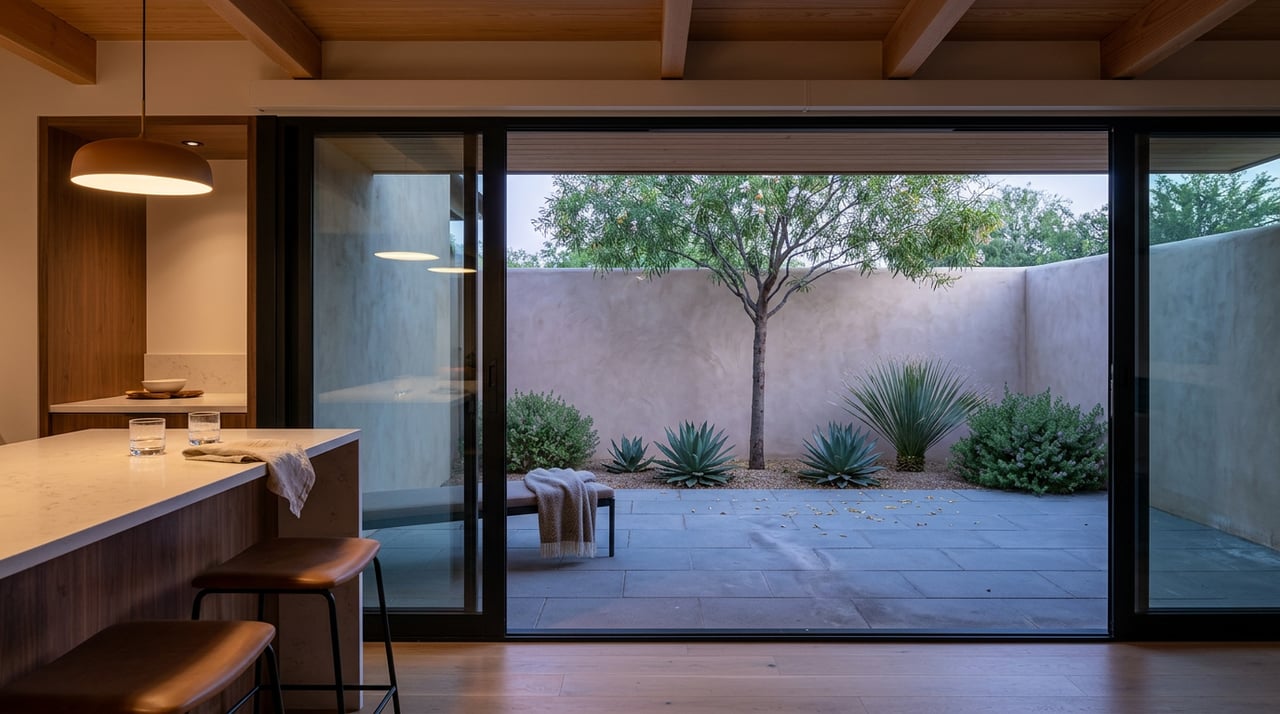
Water is a critical resource across the High Desert. Local agencies draw from groundwater basins, and conservation guidelines can shape landscaping and monthly costs. Xeriscaping and native plants are common choices.
Sewage varies by address. Some areas connect to municipal sewer, while others use septic systems. If you’re buying, get a septic inspection and understand maintenance requirements.
Power is provided by regional utilities. Outages can occur during storms or fire events, so many residents keep backup power or invest in solar plus batteries. Winds can kick up dust, and Santa Ana events bring strong gusts. During heavy rain, desert washes can flood quickly; know your local flood zones and never drive through moving water.
Wildfire and seasonal smoke affect the region. Follow defensible‑space practices, keep an emergency kit, and stay alert to regional advisories during peak fire weather.
You brew coffee at sunrise and meet friends for an early trail run as wildflowers pop. A late‑morning work session flows from your home office, windows cracked to let in the mild air. Dinner on the patio, jacket handy when the temperature dips after sunset.
You’re up before dawn for a walk among the Joshua trees, then head home as the heat builds. Work happens indoors with fans, AC, and lots of water. Evenings are for backyard hangs, stargazing, or a drive to higher elevation for a cooler breeze.
Cooler mornings lure you back onto longer trails. You sneak into the park midweek to avoid crowds, then grab a casual bite in town. Studio nights come alive with music, pop‑ups, and art markets as the season ramps up.
You plan midday hikes for maximum sun and wear layers when the wind picks up. Nights are crisp and clear for astrophotography or a fire pit session. On weekends, you schedule errands early to steer around peak park traffic.
Living in Yucca Valley is a tradeoff that many creatives and remote workers love. You gain sky, space, quiet, and quick access to world‑class desert landscapes. You trade late‑night dining, dense transit, and big‑city convenience for a slower rhythm and more planning around weather.
Here’s a quick gut check:
If this balance sounds right, you’ll likely feel at home here. And if you want a second place that doubles as a creative retreat, Yucca Valley is built for it.
Ready to explore properties, compare neighborhoods, and test internet speeds at specific addresses? Connect with the team that helps LA‑to‑desert buyers find the right fit the first time. Work with Backbeat Homes - Clarkliving Team.
Stay up to date on the latest real estate trends.